Short answer: Some married couples travel to Thailand for IVF at licensed clinics. Thai assisted-reproduction law is restrictive: treatment is generally limited to a lawfully married husband and wife, clinics must be licensed, and acts amounting to sex selection during ART are prohibited under the Children Born Through Assisted Reproductive Technologies Protection Act B.E. 2558 (2015) framework described by Thai authorities and professional summaries. Medicare does not cover treatment overseas (Smartraveller (opens official site)). Prices: Price on request, get quotes from clinics.
Risks and limitations to understand first
- IVF does not guarantee a pregnancy or a live birth
- Ovarian stimulation and egg collection carry medical risks (see clinical section)
- Multiple pregnancy risk rises if more than one embryo is transferred
- Legal parentage, consent, embryo storage and disposal rules differ from Australia
- Medicare and most Australian private health rebates do not apply to treatment overseas (Smartraveller (opens official site); Services Australia Medicare pregnancy overview (opens official site))
- Basic travel insurance rarely covers planned fertility treatment or related complications (Smartraveller (opens official site))
- If pregnancy care continues in Australia, your Australian obstetric team needs full records
If you are exploring fertility care, speak with your Australian GP or fertility specialist first. Australian information: Pregnancy, Birth and Baby - IVF (opens official site) and VARTA fertility treatment explained (opens official site).
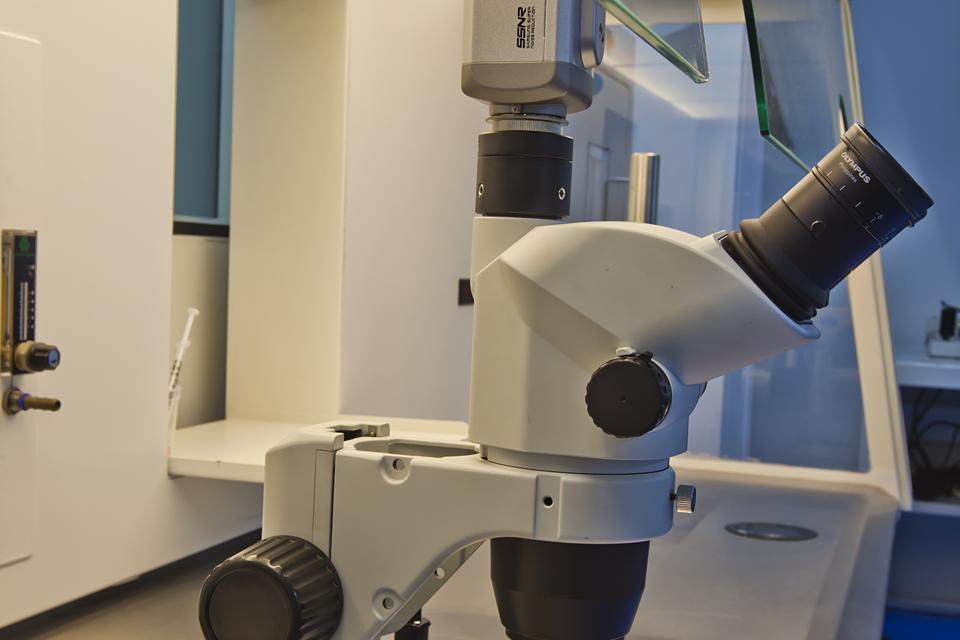
Legal and ethical limits in Thailand
This section is orientation only, not legal advice.
Thai Department of Health Service Support (HSS) public communications state that IVF and related ART services in licensed facilities are for a husband and wife with a lawfully registered marriage (including marriages registered abroad that Thai law recognises), and that clinics must assess readiness carefully (HSS / Ministry of Public Health notice, Dec 2024 (opens official site)).
Key points Australians commonly need to verify in writing with a licensed Thai clinic and, if needed, a lawyer:
- Marriage evidence - expect a marriage certificate; foreign documents often need translation and legalisation.
- Licensed clinic only - ART must be provided in facilities authorised under the ART protection law framework; HSS has published that only certified hospitals may provide these services.
- No sex selection for non-medical reasons - Thai ART law prohibits acts amounting to sex selection during assisted reproduction. We do not promote, facilitate or describe how to obtain gender selection. Pre-implantation genetic testing, where offered at all, must be discussed only in the context of medical indications defined by Thai law and the treating specialists - never as family balancing.
- Surrogacy is a separate, highly restricted regime - do not assume IVF eligibility means surrogacy is available to foreign intended parents. Confirm current law separately; commercial surrogacy arrangements carry serious legal risk.
- Same-sex and unmarried access - rules have been in flux around marriage equality and ART drafting; do not rely on marketing claims. Confirm eligibility for your relationship status under the law in force on the day you consent.
Always re-check primary Thai sources and your clinic’s licence status before paying deposits.
Clinical risks of IVF
IVF typically involves ovarian stimulation medicines, monitoring, egg collection under sedation or anaesthetic, fertilisation in the laboratory, and embryo transfer. Recognised issues discussed in Australian consumer information include:
- Side effects from stimulation medicines
- Ovarian hyperstimulation
- Risks of egg collection (bleeding, infection, anaesthetic complications)
- Emotional and relationship stress
- Higher chance of multiple pregnancy if multiple embryos are transferred, with higher risks in pregnancy and birth
- No guarantee of success in any cycle
Discuss personalised risks with a fertility specialist. Australian explainers: Pregnancy, Birth and Baby (opens official site), VARTA (opens official site).
We do not name prescription-only medicines on this page.
Checks before you book
- Confirm the clinic is licensed for ART under Thai rules (ask for the licence reference in writing).
- Confirm your eligibility (marriage documents, both partners’ consents).
- Confirm what genetic testing is and is not permitted for your case - refuse any offer of non-medical sex selection.
- Get an itemised quote covering stimulation monitoring, egg collection, laboratory fees, freezing/storage, transfer, medications dispensed locally, and what happens if a cycle is cancelled. Site prices: Price on request, get quotes from clinics.
- Plan embryo storage duration, export rules and what happens on divorce or death - in writing.
- Arrange insurance and a pregnancy-care handover plan for Australia: medical tourism insurance, travel insurance for surgery, aftercare in Australia.
- Visa timing after the 15 September 2026 change that revoked Thailand’s previous 60-day exemption (Smartraveller (opens official site); Thailand e-Visa medical treatment (opens official site)).
Destinations and hospitals for orientation only: Bangkok, Thailand hub, Samitivej fact sheet, Bangkok Hospital fact sheet. We don’t recommend clinics.
What IVF usually involves (educational)
IVF typically includes ovarian stimulation, monitoring, egg collection, laboratory fertilisation, embryo culture and transfer (fresh or frozen). Protocols, medication brands, genetic testing options and embryo-storage rules differ by country and clinic. Thai regulation of assisted reproduction can differ from Australian practice - ask the clinic which laws and ethics committee rules apply to your situation, and confirm any cross-border gamete/embryo rules with Australian clinicians before you travel.
Donor gametes, surrogacy-adjacent arrangements and embryo export/import raise separate legal issues. This page does not map every rule; obtain independent legal advice if those pathways are discussed. This site does not diagnose infertility or recommend a protocol.
TGA/Ahpra angle: we do not advertise prescription-only fertility medicines to the public by brand, and we do not imply that travelling overseas improves odds versus evidence-based Australian care. Clinic “success rate” marketing is easy to misuse; we do not republish league tables or guarantee a live birth.
Costs (pending sourced data)
Until hospital-published AUD ranges are captured in our CSV (status pending as of 23 Oct 2026), treat any online “from $X” figure as unverified. Ask for a written itemised quote covering: cycle type, medications, ICSI, freezing, storage, monitoring, anaesthesia and what happens if a cycle is cancelled. Cost sibling: IVF costs in Thailand. Trip maths: trip cost calculator. Paying overseas: FX and paying clinics.
Compare apples to apples: a “cycle package” that excludes medication, ICSI, embryo freezing or cryostorage can look lower until invoices arrive. Ask whether cancelled cycles are refunded or credited, and whether monitoring can continue if you must return to Australia mid-protocol.
Trip timeline (illustrative; pending medical review)
- Australian consult and records.
- Research + safety checks.
- Written quote; medical visa rules if stay is long.
- Travel with buffer for monitoring.
- Treatment as protocolled.
- Recovery stay - how long to stay.
- Return only when fit-to-fly allows - flying after treatment.
- Australian follow-up; know if something goes wrong.
Build calendar slack for delayed follicle response, cancelled transfers and extra blood tests. Companion travel is often practical after egg collection. Do not schedule a sightseeing itinerary that conflicts with rest and monitoring windows.
Thailand is not listed among Services Australia Reciprocal Health Care Agreement countries for the RHCA pathway discussed on our Medicare overseas guide (RHCA hub framing accessed 23 Oct 2026). See also insurance and Medicare.
Factual hospital profiles (not rankings): Bumrungrad, Samitivej, BNH, Siriraj. Verify any accreditation claims via JCI how-to.
Frequently asked questions
Can Australians do IVF in Thailand?
Some lawfully married couples can access IVF at licensed Thai clinics if they meet Thai legal requirements. Confirm eligibility for your situation in writing. This is not legal advice.
Is gender selection available?
We do not promote gender selection. Thai ART law prohibits acts amounting to sex selection during assisted reproduction. Do not rely on overseas marketing that offers family balancing.
Does Medicare cover IVF in Thailand?
No. Medicare does not cover treatment overseas. Australian Medicare ART rebates apply to eligible services in Australia under Australian rules.
Is surrogacy part of IVF tourism to Thailand?
Surrogacy is separately and tightly regulated. Do not assume it is available. Seek independent legal advice.
How much does IVF cost in Thailand?
We only publish verified, dated prices. Price on request, get quotes from clinics.
What should I bring home?
Full cycle records, embryo storage agreements, medication lists and consent copies in English for your Australian clinicians.
Will you publish clinic success-rate tables?
No. Success percentages by clinic or age band are easy to misuse in advertising and are not a substitute for individual counselling.
Can I use RHCA for IVF in Thailand?
Thailand is not an RHCA country in the framing used on our Medicare overseas guide. Confirm current Services Australia lists yourself before travel.
Sources
All accessed 24 October 2026.
- Department of Health Service Support (Thailand), IVF requires lawfully married couples (public notice): https://prgroup.hss.moph.go.th/info/news/3647
- Pregnancy, Birth and Baby, IVF: https://www.pregnancybirthbaby.org.au/fertility-and-conception/fertility/ivf
- VARTA, Fertility treatment explained: https://www.varta.org.au/fertility-treatment/fertility-treatment-explained
- Services Australia, Medicare services for conceiving, pregnancy and birth: https://www.servicesaustralia.gov.au/medicare-services-for-conceiving-pregnancy-and-birth?context=60092
- Smartraveller, Going overseas for a medical procedure: https://www.smartraveller.gov.au/travel-essentials/travel-health/medical-tourism
- Smartraveller, Medical tourism: https://www.smartraveller.gov.au/medical-tourism
- Smartraveller, Thailand: https://www.smartraveller.gov.au/destinations/asia/thailand
- Thailand e-Visa, Medical treatment: https://www.thaievisa.go.th/visa/medical-treatment
- Thai Government PRD, Revision of Thailand’s visa exemption and visa on arrival schemes: https://thailand.prd.go.th/en/content/category/detail/id/48/iid/538547
Disclaimer: The information on medicaltourism.com.au is general in nature. It isn’t medical, legal, financial or insurance advice and doesn’t take your personal circumstances into account. Talk to a registered health practitioner before deciding on any procedure. See our editorial policy, medical disclaimer and how we make money.