Short answer: A crown covers a damaged tooth with a cap, and the tooth is shaped to make room for it (healthdirect (opens official site)). Crowns can come loose, break or cause pain if they don’t fit well, and the tooth underneath can still decay (healthdirect (opens official site)). Problems will usually be handled by a dentist in Australia. Prices: Price on request, get quotes from clinics.
Risks and limitations to understand first
From healthdirect (opens official site):
- the crown coming loose, breaking, chipping, cracking or falling off
- the tooth under the crown breaking, or decay around or under the crown
- sore or swollen gums
- a poor fit, causing pain or trouble chewing
Also:
- The ADA advises Australians to have elective dental treatment in Australia, and warns Australian dentists may struggle to repair work without full records (ADA (opens official site)).
- Medicare doesn’t cover most dental services (Department of Health (opens official site)), and your fund may not cover dental work done overseas (Union Health (opens official site)).
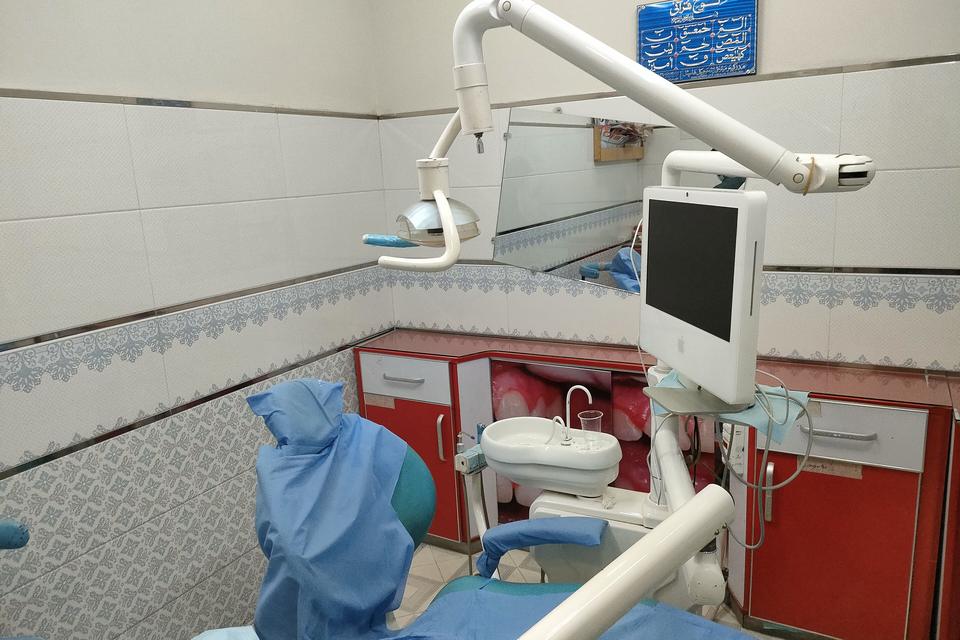
What’s involved
Usually 1 or 2 visits: the tooth is shaped, scanned or moulded, and the crown fitted with cement or adhesive. Materials include porcelain, zirconia, gold alloy or porcelain fused to metal (healthdirect (opens official site)). Alternatives include bridges, dentures, veneers and fillings (healthdirect (opens official site)).
What to check
- How to choose a dentist overseas and questions to ask
- Registers: Thailand, Bali and Turkey guides
- Records, material and follow-up: aftercare in Australia and revision and repair at home
Planning the trip and aftercare
Crowns can be completed in one or two visits, but fit, bite and gum health still need review after you return. Temporary crowns can loosen; keep emergency contact details for the overseas clinic and an Australian dentist.
- Get material type, shade and cement details in writing, plus X-rays and scans to bring home (ADA (opens official site)).
- Compare item numbers with an Australian quote where possible (healthdirect (opens official site)).
- Destination checks: Thailand, Bali, Türkiye and matching safety pages.
- Insurance often excludes dental unless caused by injury. Read the PDS: travel insurance for surgery, medical tourism insurance.
- Medicare and funds: Medicare overseas, health insurance gaps.
- Budget: trip budget planner, dental crown costs (Price on request, get quotes from clinics), trip cost calculator.
If a crown fails at home: aftercare in Australia, revision and repair at home, complications after surgery overseas.
Materials and bite checks
Porcelain, zirconia, gold alloy and porcelain-fused-to-metal crowns behave differently for wear, appearance and repair (healthdirect (opens official site)). Ask which material is proposed and why, and whether your bite will be reviewed after cementation.
If several crowns are planned together, also read full mouth restoration and veneers so you understand overlapping risks. Costs: dental crown costs (Price on request, get quotes from clinics).
Records, insurance and money checks
Before you travel, keep a single folder (digital or paper) with:
- signed treatment plan and itemised quote (Price on request, get quotes from clinics on our public figures until verified)
- practitioner and facility identifiers you verified yourself
- insurance policy number and PDS extracts for elective or dental exclusions
- Australian GP or dentist letter and planned review dates: aftercare in Australia
- emergency contacts, including the Consular Emergency Centre details on Smartraveller for your destination
Cross-check money and cover: trip budget planner, Medicare overseas, health insurance gaps, medical tourism insurance. Optional worksheets: trip cost calculator, savings calculator, currency converter.
When a crown is part of a larger plan
Single crowns are different from multi-tooth rebuilds. If your quote includes several crowns plus veneers or implants, read full mouth restoration, veneers and dental implants as well.
Ask how failures will be handled if you are back in Australia, and whether the overseas clinic will share digital scans with your local dentist. ADA guidance emphasises the difficulty of repairing overseas work without full records (ADA (opens official site)).
What dental crowns involve (educational)
A crown covers a prepared tooth to restore shape and strength. Risks include need for root canal later, crown fracture, decay at margins and mismatch with bite. Overseas crown work raises questions about material, lab quality, shade matching and whether an Australian dentist can remake the work if it fails.
ADA elective overseas dental guidance still applies (ADA (opens official site)). Prefer a full written lab and material specification.
Costs and destinations
Price on request, get quotes from clinics. See dental crown costs, dental implants, veneers, full mouth restoration.
Planning checklist before you book overseas
- Named clinician and facility on the consent pathway
- Licence and accreditation verified on the issuer’s official register (date-stamp your check)
- Itemised quote with inclusions, exclusions and revision policy
- Written fit-to-fly advice before you lock the return flight (flying after surgery)
- Insurance PDS answers in writing for your named procedure (travel insurance for surgery)
- English operation notes, device or implant details, and medication lists to bring home
- An Australian follow-up plan: aftercare in Australia and complications overseas
- Soften “best country” or “cheapest country” framing - match credentials, aftercare and total trip maths
See choosing a surgeon and questions to ask.
Full trip cost beyond the procedure fee
Even when a hospital or clinic tariff is later verified, Australians should add:
- Flights (return; sometimes a second trip for staged work)
- Hotel for the fly-safe window your clinician documents in writing
- Companion costs, time off work, garments, medications and follow-up visits
- Buffer for delayed healing, extra nights or a revision trip (Smartraveller (opens official site))
- Travel insurance that may still exclude elective or planned-procedure complications - read the PDS
Use the trip budget planner and trip cost calculator for non-procedure travel maths only. We only publish AUD figures that sit in our verified price table with a source and access date. If status is pending, this page shows Price on request, get quotes from clinics.
Aftercare, flying home and revision
Arrange Australian follow-up before you travel. Problems can surface weeks or months later, far from the treating clinic. Bring full records in English. See aftercare in Australia, revision surgery in Australia, DVT risk when flying after surgery and flying after surgery.
Medicare does not cover treatment overseas (Medicare overseas). Private health funds usually do not pay for elective work done overseas. Confirm insurance exclusions in writing before you deposit.
Frequently asked questions
What can go wrong with a crown?
It can come loose, break or fall off, the tooth underneath can break or decay, and a poor fit can cause pain.
How many visits does a crown need?
Usually 1 or 2.
Can a crowned tooth still decay?
Yes. The crown can’t decay, but the tooth underneath can.
Does Medicare cover crowns?
Medicare doesn’t cover most dental services, and doesn’t cover you overseas.
How much do crowns cost overseas?
We only publish verified, dated prices. Price on request, get quotes from clinics.
Should I fly home the same day a crown is cemented?
Ask your dentist. Many people prefer a short buffer for bite adjustments before a long flight. See flying after surgery for general travel timing questions.
How do I compare an overseas crown quote with Australia?
Ask for itemised costs and item numbers, then compare with an Australian dentist quote and extras cover rules.
What should be in a written quote?
Itemised clinician and facility fees, anaesthetic, stay length, inclusions and exclusions, revision or remake policy, and what happens if you need a longer stay.
Why does the full trip cost matter more than the procedure fee?
Flights, hotel for the fly-safe window, companion costs, time off work, insurance and a revision buffer often exceed a low procedure-only figure (Smartraveller (opens official site)).
Does this site pick a best or cheapest country?
No. We soften those anchors. Compare named credentials, facility checks, aftercare at home and total trip maths.
Should I decide based on the lowest advertised fee?
No. Compare inclusions, credentials, fly-safe recovery time and revision pathways.
How long do crowns last?
Lifespan varies with material, bite and hygiene. Ask about warranty limits for overseas work once you are home.
Should I whiten before crowns?
Shade planning matters. Discuss sequence with the dentist before preparation.
Sources
All accessed 24 October 2026.
- healthdirect, Dental crown procedure: https://www.healthdirect.gov.au/procedures/dental-procedures-and-appliances/dental-crown-procedure
- Australian Dental Association, Policy Statement 2.2.6: Elective overseas dental treatment: https://ada.org.au/policy-statement-2-2-6-elective-overseas-dental-treatment
- Department of Health, Disability and Ageing, What Medicare covers: https://www.health.gov.au/topics/medicare/about/what-medicare-covers
- Union Health, Am I covered whilst travelling overseas?: https://unionhealth.com.au/faqs/manage-my-cover/travelling-overseas
Disclaimer: The information on medicaltourism.com.au is general in nature. It isn’t medical, legal, financial or insurance advice and doesn’t take your personal circumstances into account. Talk to a registered health practitioner before deciding on any procedure. See our editorial policy, medical disclaimer and how we make money.